School Nutrition
Keeping children in school by ensuring they are nourished, healthy, and able to learnWhy This Program Matters
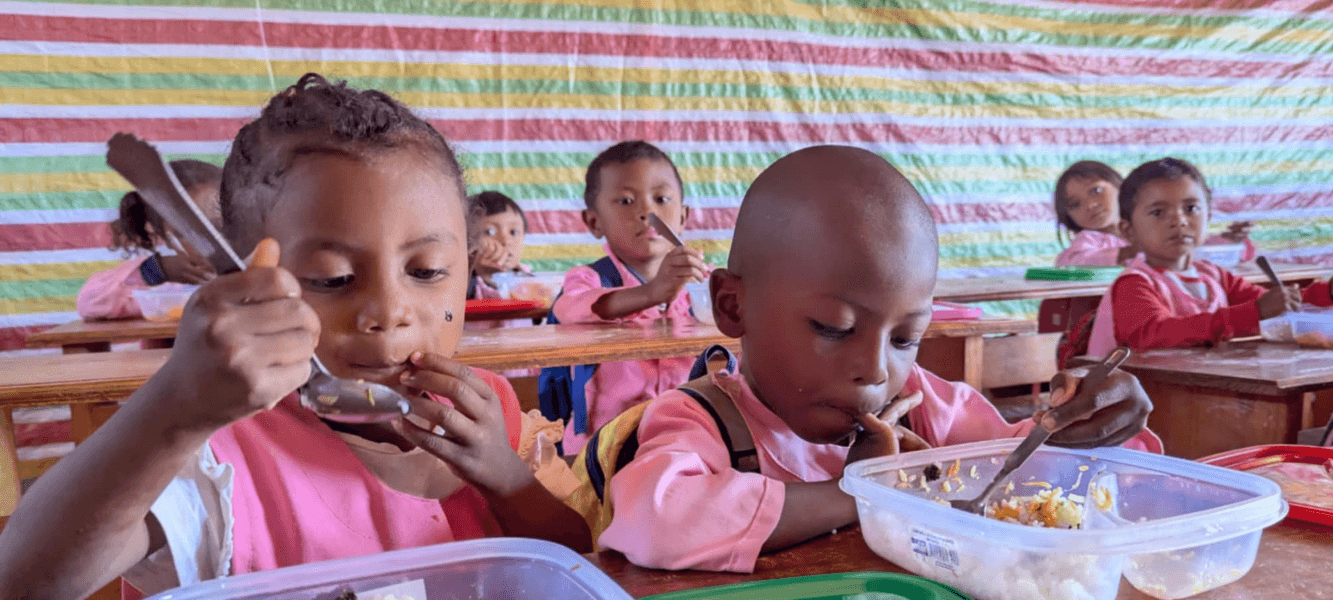
In Madagascar, thousands of children attend school on an empty stomach. Hunger affects concentration, attendance, memory, and physical development. Most school dropouts happen in primary school, often because children are too hungry or too weak to keep attending.
By providing consistent, nutritious meals at school, Elevatus helps children stay in class, learn effectively, and grow safely — reducing long-term risks of malnutrition and child labor.
Our Mission
Ensuring every child has the nutrition they need to learn, grow, and thrive in school.
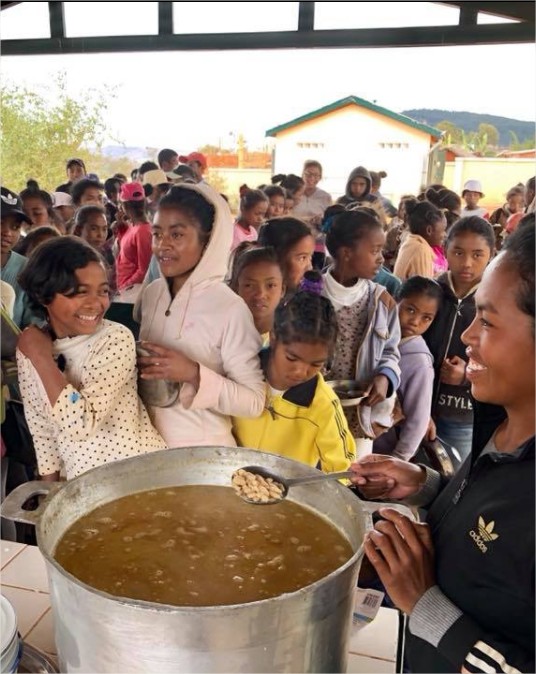
Daily nutritious meals being distributed to students at our partner schools
The Impact
primary school students currently receiving meals
meals served in 2024
early identification of children at risk of malnutrition
Our Approach
Daily Nutritious Meals
We provide meals designed to support healthy growth and sustained concentration. This improves:
- Attendance rates
- Energy levels throughout the day
- Classroom engagement
- Academic performance
For many children, this is their most reliable meal of the day.
Supporting School Retention
When children receive food at school:
- Families are more motivated to keep them enrolled
- Dropout rates decrease significantly
- The incentive to send children to work is reduced
Nutrition becomes a powerful driver of education.
Identifying At-Risk Children
We work directly with schools to:
- Identify children who show signs of undernutrition
- Monitor progress and development
- Connect them to additional support when needed
This approach lets us intervene early and prevent long-term developmental harm.
Focus on Primary Students
The nutrition program focuses on primary school students — those at the highest risk of dropping out and entering child labor.
- Protecting Younger Children (Ages 5–12) from malnutrition
- Ensuring proper nutrition during critical developmental years
- Building foundation for lifelong health and learning
Proper nutrition during these years is essential for lifelong health and learning.
Sustainable Development Goals
We align our actions with global development standards. This program directly contributes to:
SDG 2.1
Learn MoreEnd Hunger
"By 2030, end hunger and ensure access by all people to safe, nutritious and sufficient food"
Providing reliable daily food access for vulnerable children in Madagascar's most at-risk communities.
SDG 2.2
Learn MoreEnd All Forms of Malnutrition
"End all forms of malnutrition, including achieving targets on stunting and wasting in children under 5"
Helping prevent stunting, wasting, and other long-term effects of childhood undernutrition.
SDG 3.2
Learn MoreReduce Child Mortality
"End preventable deaths of newborns and children under 5 years of age"
Improved nutrition strengthens immunity and reduces preventable illnesses among young children.
SDG 4.1
Learn MoreQuality Primary Education
"Ensure that all girls and boys complete free, equitable and quality primary education"
Nutrition improves attendance, attention, learning outcomes, and school completion rates.
SDG 8.7
Learn MoreEnd Child Labor
"Take immediate and effective measures to eradicate forced labour and end child labour in all its forms"
By increasing school retention, we reduce the likelihood that children will enter hazardous labor environments.
Feed a Future
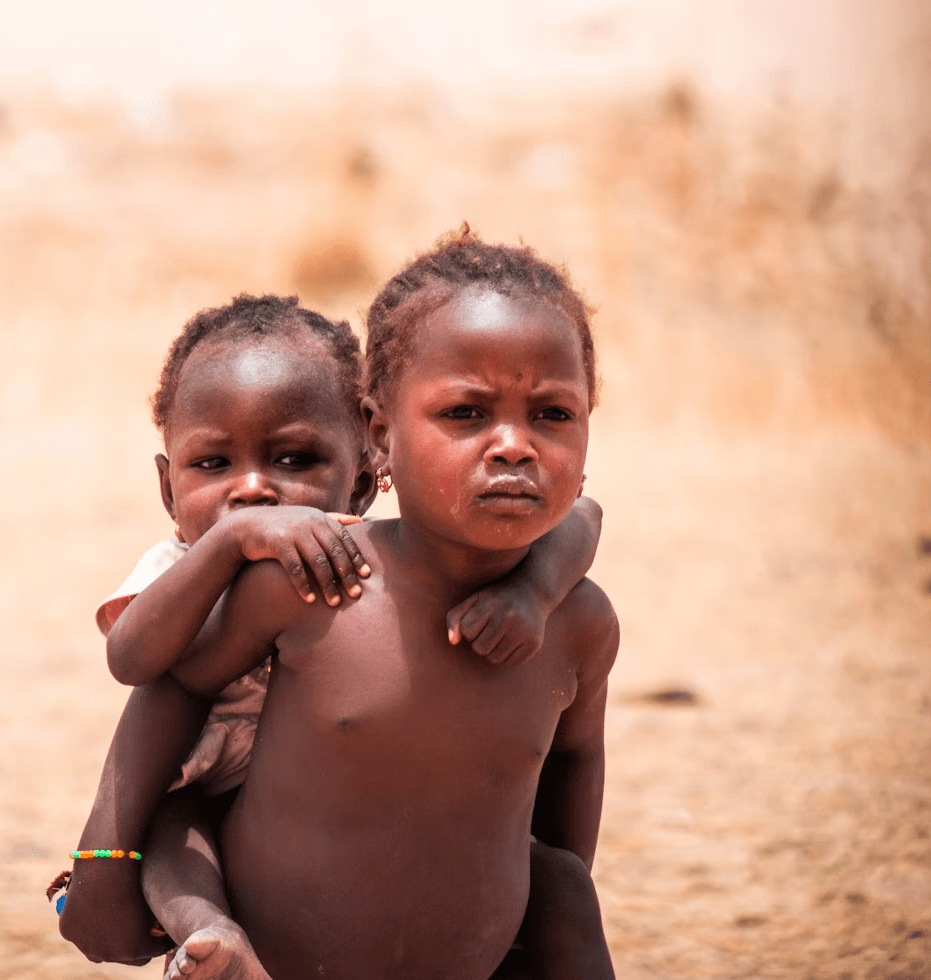
"Since the school feeding program started, my daughter never misses school. She's healthier, happier, and learning so much more."
- Hanta, Mother of Program Participant
Feeding a child feeds their future.
Your support keeps children healthy, safe, and in the classroom — where they belong. Every meal is an investment in breaking the cycle of poverty and protecting vulnerable children from exploitation.