Our Mission

Preventing child labor in Madagascar through access to education

Founded in 2011, Elevatus has grown into a foundation dedicated to giving children in Madagascar the tools they need to rise above child labor, to end the cycle of generational poverty, and to build successful lives.

Your Impact in 2025

With your support, Elevatus has made significant strides in combating child labor in Madagascar. Here are some of the key impacts we've achieved together this year:

0%
high school
success rate
vs. national 56%
0+
meals
distributed
0+
hours of
tutoring
provided

The Challenges

Madagascar faces critical challenges that trap children in cycles of poverty and exploitation. These stark realities demand urgent action and sustained support.

47%
of children ages 5-17

Child Labor

According to the U.S. Department of Labor, 47% of children ages 5 to 17 in Madagascar are engaged in child labor, including 32% in hazardous work. Children mainly work in the informal sector and agriculture, with hazardous tasks in agriculture, mining, and fishing. A recent study in Antananarivo reported that nearly half of street children rely on begging for survival.

View Source
40%
of children affected

Chronic Malnutrition

The World Food Programme reports that nearly 40% of children suffer from chronic malnutrition, in a country where over 90% of the population lives on less than US$3.10 per day. Food insecurity is driven by limited crop diversification, reliance on rain-fed agriculture, low incomes, and rising food prices. Increasing climate shocks further damage agriculture, infrastructure, and livelihoods.

View Source
95%
cannot read proficiently

Barriers to Education

According to the World Bank (2025), only 63.3% of girls and 57.6% of boys complete primary school. By the end of primary school, 95% of children cannot read proficiently. The education system faces high repetition rates—25.3% in public schools, double the Sub-Saharan Africa average.

View Source
2.5%
of GDP on education

Failing Education System

The World Bank (2025) highlights systemic challenges: 63% of primary teachers are underqualified community teachers (FRAM), fully financed by parents. Infrastructure is severely inadequate, with 1,000–2,000 classrooms destroyed by cyclones each year. National investment in education is low at 2.5% of GDP, below the regional average of 3.7%.

View Source

Our Response

Breaking the cycle through education, nutrition, and skill development — because every child deserves their childhood back. Elevatus programs directly advance the United Nations Sustainable Development Goals (SDGs), global benchmarks for ending poverty and building a better future for every child.

Three pillars
Education Nutrition Skills

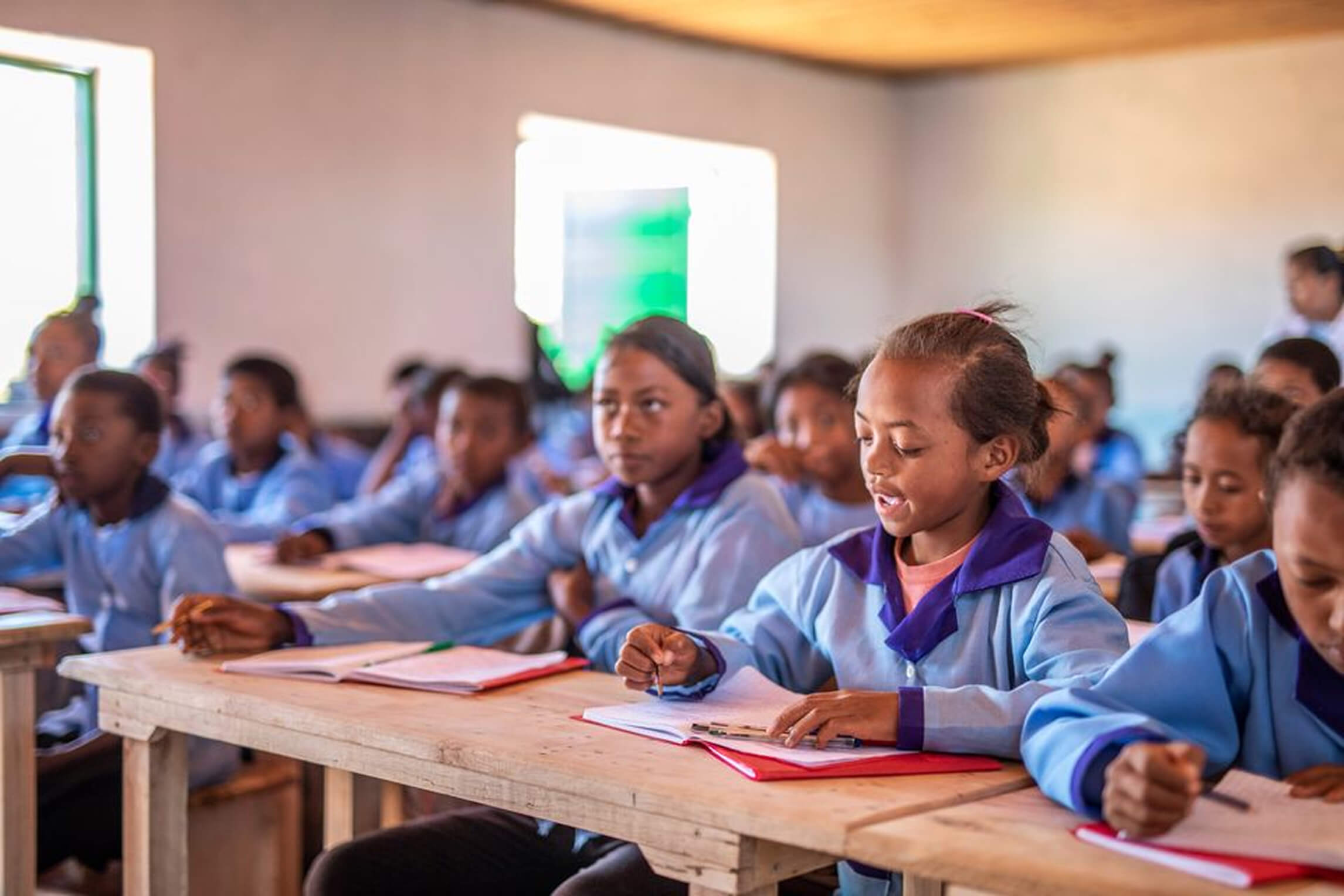
Children studying in class
Pillar 1 of 3

Education

Keep every child in school.

Elevatus provides school tuition, tutoring, and mentorship to help children stay in school, develop literacy, and prepare for a brighter future. Through consistent learning support, we’re building the foundations for independence and hope.

UN Goals
Discover education →
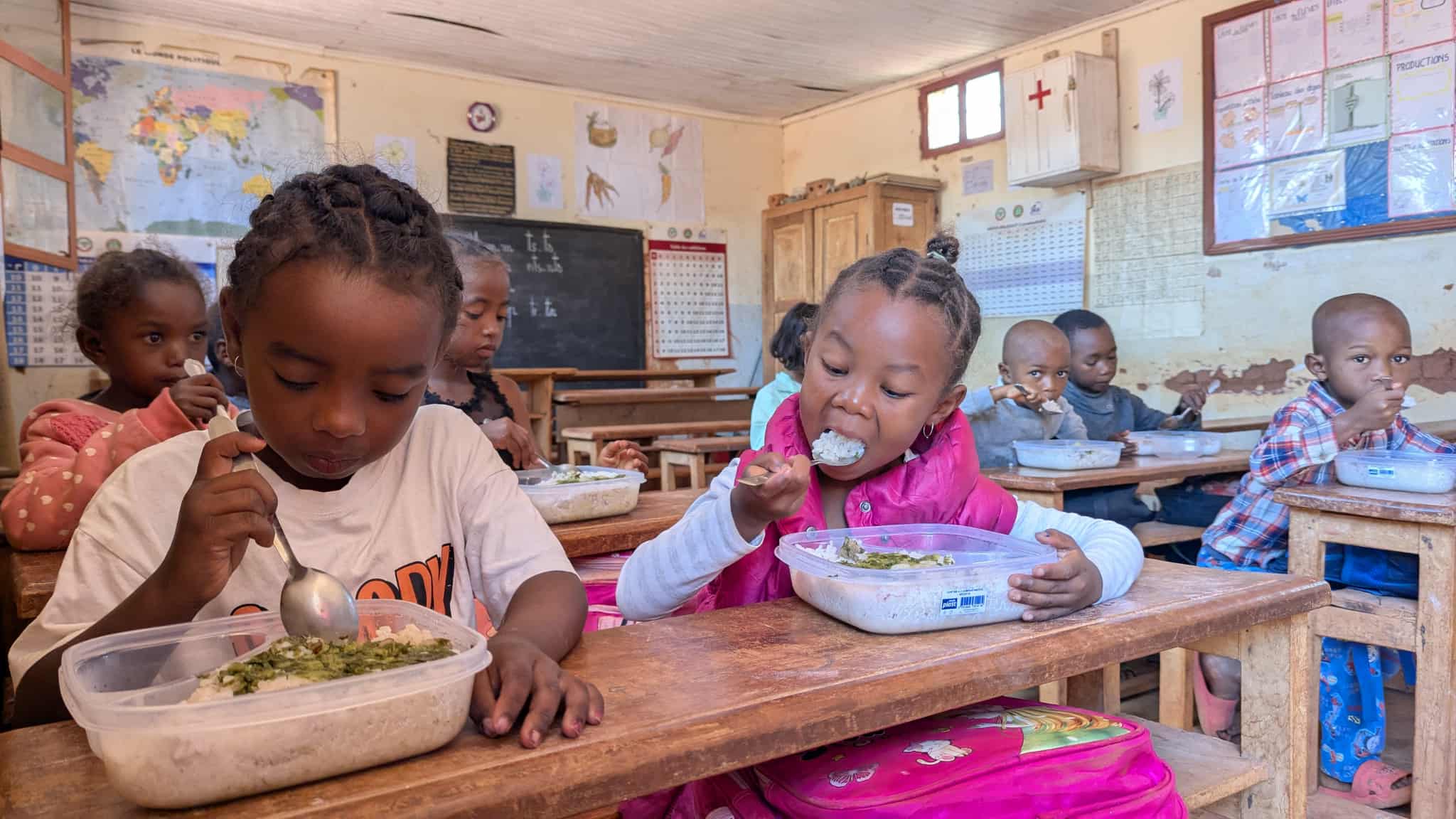
Children eating a meal in class
Pillar 2 of 3

Nutrition

Hungry children can’t learn.

Our meal programs ensure that every child receives a healthy, balanced diet at school — reducing absenteeism and improving performance. With over 8,000 meals served, we’re not just feeding bodies but fueling futures.

UN Goals
Discover nutrition →
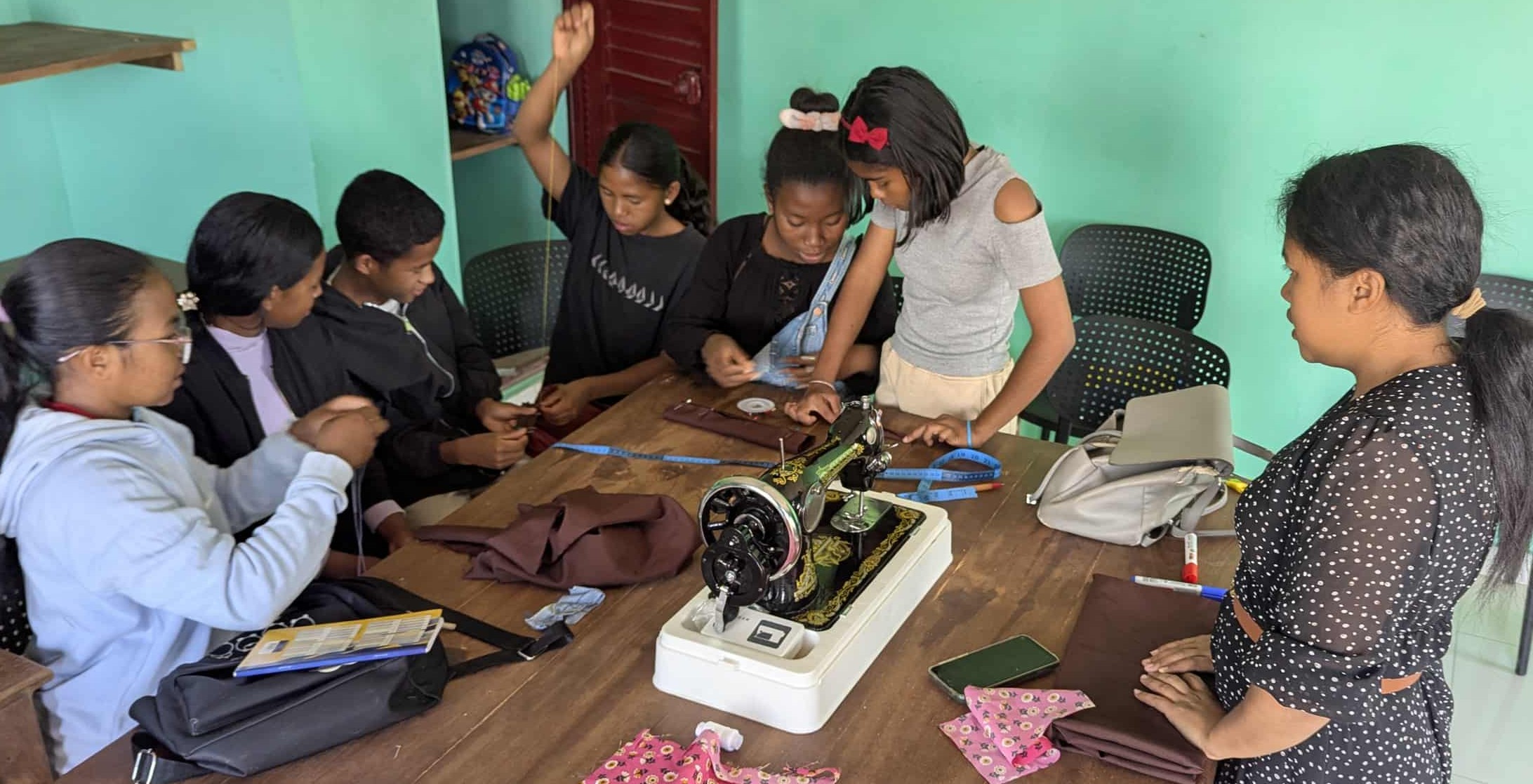
Youth in a sewing class
Pillar 3 of 3

Skills

Talents that open doors.

At the Youth Center, children discover new talents and learn practical skills such as sewing, cooking, and computer literacy — all in a safe, supportive environment. These opportunities nurture creativity, build confidence, and open doors to future self-reliance and friendship.

UN Goals
Discover skills →